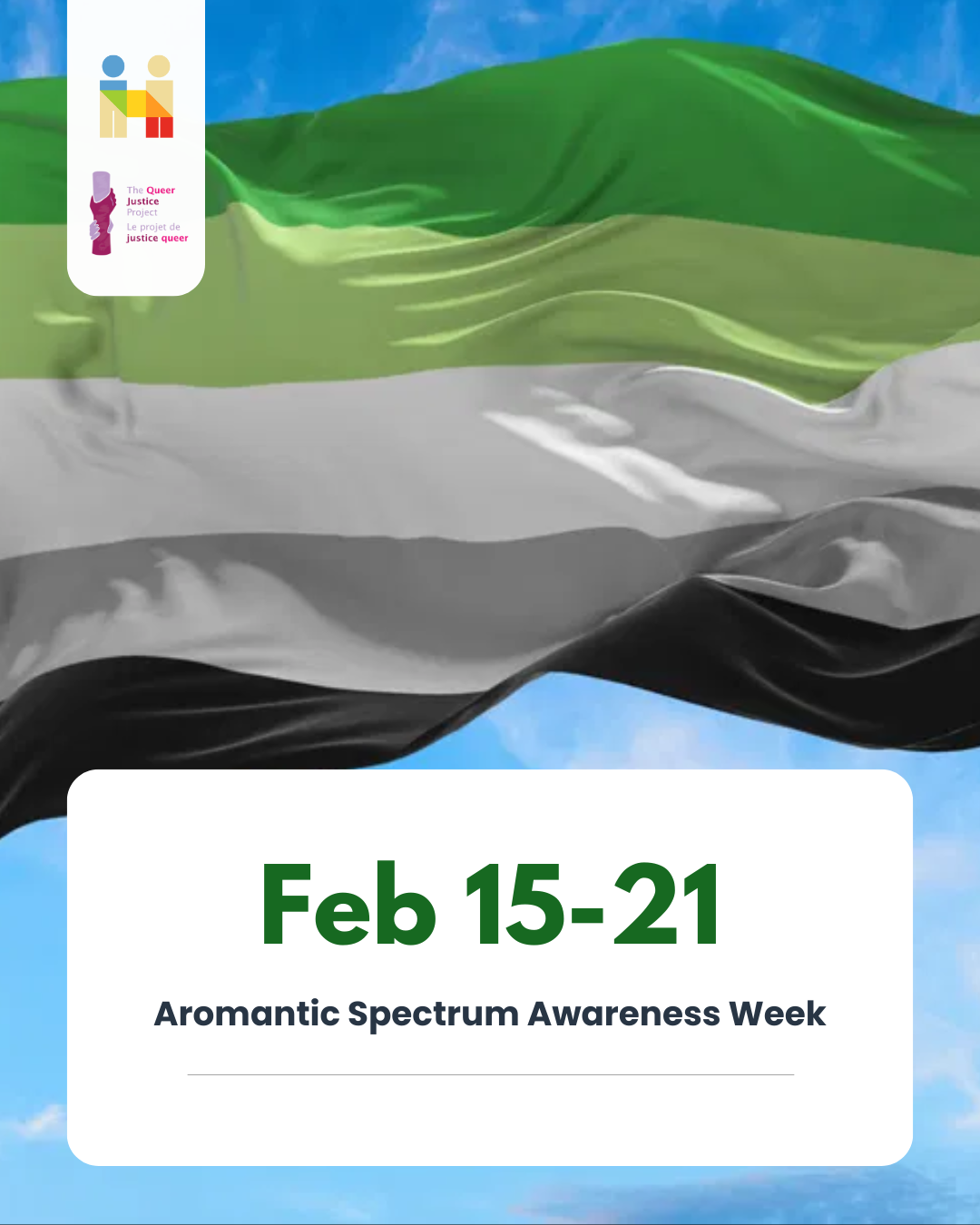
Aromantic Spectrum Awareness Week is an annual, week-long event held to raise awareness and educate people about the identities and issues aromantic people face.
Aromantasism is an identity that sits under the “ace” umbrella. The prefix “ace” is defined as the absence of attraction. It is the opposite of “allo”, meaning “to have attraction”.
There are many different forms of attraction, some include: platonic, romantic, sexual, sensual, estetic, alterous, and more! Ace people may have some, or total absence of attraction in one or more of the attraction categories.
Under the romance category of this split attraction model people may identify as aromantic, alloromantic or somewhere in between.
In other words, “Aromanticism is a romantic orientation, which describes people whose experience of romance is disconnected from normative societal expectations, often due to experiencing little to no romantic attraction, or sometimes feeling repulsed by romance or being uninterested in romantic relationships.”
The aromantic flag consists of five equal horizontal stripes. From top to bottom they are: Dark green and light green representing the aromantic spectrum, white representing platonic love and friendships, and lastly grey and black representing the sexuality spectrum.
Green was chosen as the primary colour due to it being the opposite or red, which is often associated with romance.
“Amatanormativity: Amatonormativity is the assumption that a central, exclusive, romantic relationship is normal for humans, and is a universally shared goal.”
Due to misinformation and stereotyping, many aromantics have felt the repercussions of both invisibility and bigotry in and outside the queer community due to amatanormativity.
As a result, there are many social and legal hurdles aro people face globally.
Amanormativity in law negatively affects rights including, but not limited to:
Sources:


